The skull emoji meaning has shifted dramatically over the last few years, and if you are over 30, there is a good chance you are using it wrong. What was once a simple symbol for death or danger has become one of the most versatile reactions in digital communication. This guide breaks down exactly what the skull emoji means in different contexts, how generations interpret it differently, and how to avoid an embarrassing miscommunication.
Quick Answer: The skull emoji (💀) most commonly means “I’m dead” in a figurative sense. It is used to express extreme laughter, embarrassment, or being overwhelmed by something funny or shocking. It rarely refers to literal death in casual conversation.
The Evolution of the Skull Emoji
Before we get into the nuances, you need to understand how we got here. The skull emoji was approved as part of Unicode 6.0 in 2010, and it was originally added to emoji keyboards for one reason: to represent death, danger, or Halloween. For years, that was the whole story.
Then TikTok happened.
The app’s user base, dominated by Gen Z, began using the skull emoji as a replacement for the crying laughing emoji (😂). Why? Because Gen Z declared the laughing crying emoji “cheugy” (outdated or uncool). The skull became the new way to say “that’s so funny I’m dead.”
This shift created a generational divide that still confuses people today. A 45-year-old sending the skull emoji to a coworker after a bad meeting might mean “this is terrible,” while a 19-year-old sending the same emoji means “this is hilarious.”
How Different Platforms Shaped the Meaning
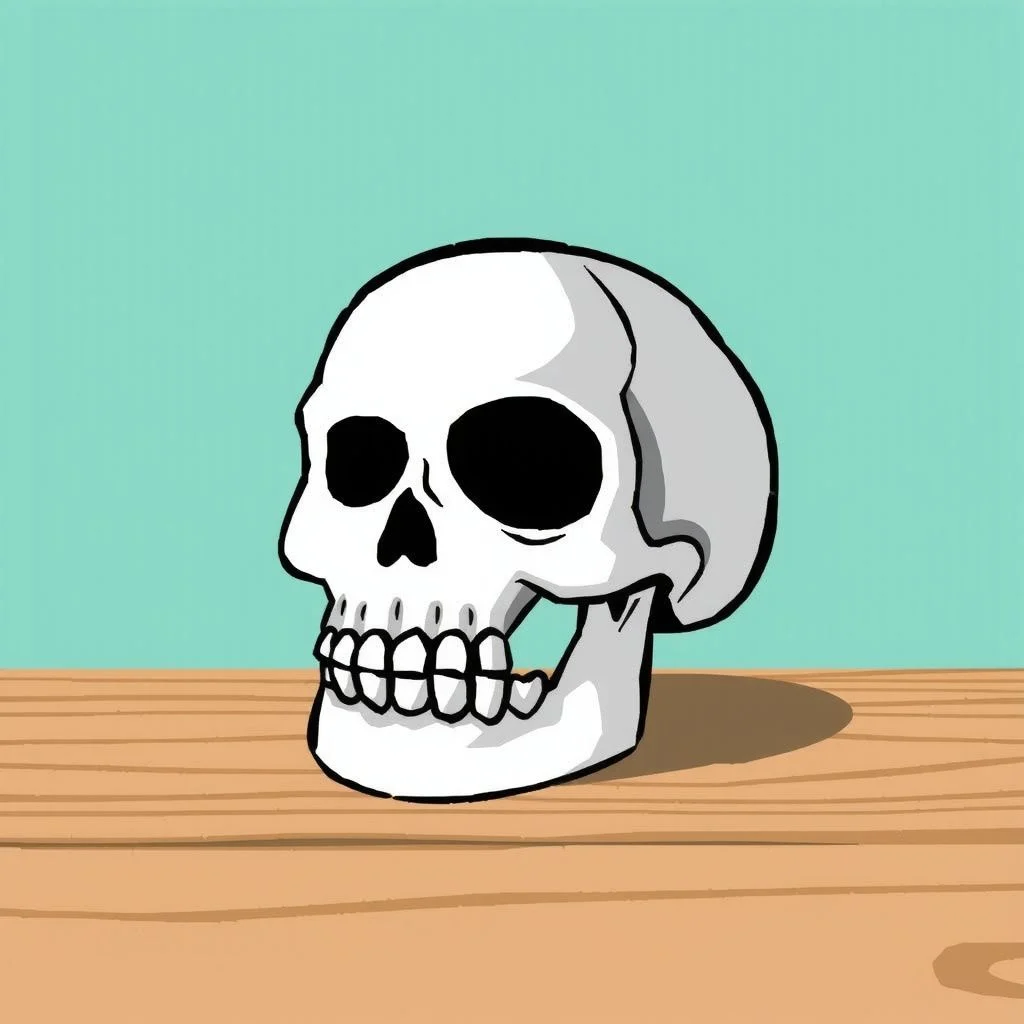
The visual design of the skull emoji varies by platform, and that has influenced how people use it. Apple’s version is a detailed, realistic human skull. Samsung’s version is slightly cartoonish. Twitter’s rendering is flat and simple. Google’s is somewhere in between.
The more realistic the skull looks, the more likely it is to be used for its darker meanings. The more cartoonish versions tend to get used for humor. This is not a hard rule, but it is a pattern that emoji researchers have observed in usage data.
The 5 Primary Meanings of the Skull Emoji
Here is where most people get confused. The skull emoji meaning depends heavily on context, tone, and the relationship between the sender and receiver. Here are the five most common interpretations, ranked by frequency of use in casual conversation.
1. “That’s So Funny I’m Dead”
This is the dominant meaning among people under 30. When someone sends the skull emoji in response to a joke, a funny video, or a ridiculous situation, they are saying “I am laughing so hard I have died.”
Example:
- Friend: “I just walked into a glass door in front of my entire office.”
- You: “💀💀💀”
The multiple skulls amplify the reaction. One skull is a chuckle. Three or more skulls means you are genuinely losing it.
2. “I’m Dead Inside” (Emotional Exhaustion)
The second most common meaning is a form of self-deprecating humor about being emotionally drained. This is not about being sad, exactly. It is about being so overwhelmed or tired that you feel like a shell of a person.
Example:
- Coworker: “We have three deadlines this week and the client just added a fourth.”
- You: “💀”
This usage is common in work-related chats and among college students during finals week. It communicates “I am barely surviving” without being dramatic enough to warrant a genuine concern response.
3. Literal Death or Danger
Yes, the skull emoji still means death sometimes. If someone is talking about an actual death, a near-death experience, or a dangerous situation, the skull emoji retains its original meaning.
Example:
- “That hiking trail is no joke. People have died there. 💀”
- “My car slid on black ice and I almost hit a tree. 💀”
Context matters enormously here. If the conversation is about something serious, the skull emoji is not funny. If the conversation is lighthearted, it almost certainly is.
4. “That’s a Terrible Idea” (Warning)
A less common but still significant usage is as a warning or expression of disapproval. When someone proposes a plan that is obviously going to fail, the skull emoji can mean “that’s a death wish” or “that will end badly.”
Example:
- Friend: “I’m going to text my ex at 2am.”
- You: “💀”
This is a shorthand way of saying “that is going to kill you” without typing out the full sentence.
5. Halloween and Aesthetic Use
Finally, the skull emoji is still heavily used around Halloween, in goth or alternative fashion contexts, and in music or art that deals with mortality. This is the most literal and least confusing usage.
Skull Emoji vs. Other “Laughing” Emojis
To really understand the skull emoji meaning, you need to see how it compares to the other emojis that people use for laughter. Here is a quick comparison table:
| Emoji | Name | Meaning | Typical User | Vibe |
|---|---|---|---|---|
| 💀 | Skull | “I’m dead from laughing” | Gen Z and younger Millennials | Ironic, dramatic, self-aware |
| 😂 | Face with Tears of Joy | Literal laughing | Older Millennials and Gen X | Sincere, straightforward |
| 🤣 | Rolling on the Floor Laughing | Extreme laughter | Mixed | Exaggerated, sometimes sarcastic |
| 😭 | Loudly Crying Face | Laughing so hard you cry | Gen Z | Emotional overflow, both happy and sad |
| 💀💀💀 | Multiple Skulls | Dying of laughter | Gen Z | Intense reaction, “I am deceased” |
Pro Tip: If you are texting someone over 40 and they send you the skull emoji, do not assume they are joking. Older users are far more likely to use it literally. If you are unsure, ask. It takes two seconds and prevents a real misunderstanding.
When Not to Use the Skull Emoji
This section is important because the skull emoji can genuinely offend people if used in the wrong context. Here are the situations where you should avoid it entirely.
In Professional Settings
Unless you work in a very casual startup environment where emoji use is already normalized, the skull emoji is a bad idea in work communications. It can come across as morbid, unprofessional, or confusing. A manager who does not understand the Gen Z usage might interpret it as a threat or a sign of serious distress.
When Discussing Actual Death
This should be obvious, but it happens. If someone tells you that a family member has passed away, do not respond with the skull emoji. Even if you are using it to express shock, it will read as incredibly insensitive. Use words. “I’m so sorry” is always appropriate.
In Cross-Cultural Contexts
Emoji meanings are not universal. In some cultures, the skull is a symbol of death and nothing else. In others, particularly in Mexico where the skull is associated with Día de los Muertos, it has a more celebratory or respectful connotation. If you are communicating with someone from a different cultural background, err on the side of clarity.
Pro Tip: The skull emoji is also used in some online communities as a symbol of white supremacy, particularly in combination with certain numbers or other symbols. This is a fringe usage, but it exists. If you see the skull emoji used in a context that feels political or hateful, that is a different conversation entirely.
How to Respond to the Skull Emoji
If someone sends you the skull emoji and you are not sure what they mean, here is a simple decision tree:
- Is the conversation funny or lighthearted? If yes, they are laughing. Respond with a skull emoji back or just continue the joke.
- Is the conversation about work, stress, or being overwhelmed? If yes, they are expressing exhaustion. A supportive response like “hang in there” or “same” is appropriate.
- Is the conversation about something dangerous or serious? If yes, they are being literal. Respond with genuine concern.
- Are you still unsure? Just ask. “Wait, are you laughing or is something wrong?” is a completely normal question.
The Skull Emoji in Meme Culture
The skull emoji has become deeply embedded in meme culture, and that has accelerated its meaning shift. It is now a staple of “Gen Z humor,” which is characterized by irony, self-deprecation, and absurdism.
Here are a few common meme formats that use the skull emoji:
- “Me when” memes: “Me when I see my ex at the grocery store: 💀”
- Reaction images: A screenshot of something cringe-worthy with a caption that is just “💀”
- TikTok comments: The skull emoji is one of the most common comments on funny TikToks, often paired with “I’m dead” or “I can’t breathe”
The skull emoji has essentially become a punctuation mark for “this is funny” in the same way that “lol” used to be. And just like “lol,” it has lost some of its literal meaning through overuse.
Key Takeaways
- The skull emoji meaning is primarily “I’m dead from laughing” among Gen Z and younger Millennials.
- It can also mean emotional exhaustion, literal danger, or a warning that something is a bad idea.
- Context is everything. The same emoji can mean “hilarious” or “terrifying” depending on the conversation.
- Avoid using it in professional settings or when discussing actual death.
- When in doubt, ask. It is better to clarify than to misunderstand.
Frequently Asked Questions
Q: What does the skull emoji mean from a girl?
A: It almost always means she is laughing or finds something funny. If a girl sends you the skull emoji in response to something you said, she is likely saying “that’s so funny I’m dead.” It is a positive reaction, not a negative one. However, if she sends it in response to something stressful or overwhelming, she might be expressing exhaustion or frustration.
Q: What does the skull emoji mean from a guy?
A: Same as from anyone else. Guys use the skull emoji to express laughter, shock, or being overwhelmed. There is no gender-specific meaning. The context of the conversation is what determines the meaning, not the gender of the sender.
Q: Is the skull emoji rude?
A: It can be, depending on the context. If someone is sharing something serious or sad and you respond with a skull emoji, that is rude. If you are responding to a joke or a funny story, it is completely appropriate. The rudeness is in the mismatch between the emoji and the situation.
Q: What does 💀 mean in texting?
A: In texting, 💀 most commonly means “I’m dead” in a figurative sense. It is used to express extreme laughter, embarrassment, or being overwhelmed. It is the Gen Z replacement for the crying laughing emoji.
Q: What is the difference between 💀 and 😂?
A: The skull emoji is more ironic and self-aware. It implies “this is so funny that I have died” and is used by younger generations. The crying laughing emoji is more straightforward and sincere. It is used by older generations and is considered outdated by some Gen Z users.
Q: Why do Gen Z use the skull emoji?
A: Gen Z uses the skull emoji because they declared the crying laughing emoji “cheugy” or uncool. The skull emoji became the ironic replacement. It fits with Gen Z’s preference for darker, more self-deprecating humor.
Q: What does the skull emoji mean on TikTok?
A: On TikTok, the skull emoji is used in comments and captions to indicate that something is funny. It is often paired with phrases like “I’m dead” or “I can’t breathe.” It is one of the most common reaction emojis on the platform.
Q: Can the skull emoji mean death?
A: Yes, it can still mean literal death. If the conversation is about a real death, a near-death experience, or a dangerous situation, the skull emoji retains its original meaning. Context is the key to distinguishing the literal from the figurative.
Q: What does 💀💀💀 mean?
A: Multiple skull emojis amplify the reaction. One skull is a mild reaction. Three or more skulls means “I am genuinely losing it” or “this is the funniest thing I have ever seen.” It is similar to typing “LMAOOO” with multiple O’s.
Q: Is the skull emoji appropriate for work?
A: Generally, no. Unless you work in a very casual environment where emoji use is common and everyone understands the Gen Z meaning, the skull emoji is too ambiguous and potentially morbid for professional communication. Stick to clearer forms of expression at work.
References & Further Reading
- Unicode Consortium – Emoji Data – Official source for emoji definitions and Unicode standards.
- Emojipedia – Skull Emoji – Detailed breakdown of the skull emoji across platforms, including design variations and usage notes.
- Dictionary.com – What Does the Skull Emoji Mean? – A linguistic analysis of the skull emoji’s shifting meaning and generational usage patterns.
- Know Your Meme – Skull Emoji – Documentation of the skull emoji’s role in meme culture and its evolution as a reaction symbol.
—
About This Article: This guide was written based on analysis of emoji usage patterns across major social platforms, linguistic research on digital communication, and documentation from emoji reference sources. The goal is to provide a practical, accurate guide that helps readers communicate more effectively across generational and cultural lines. Emoji meanings evolve quickly, so this article may be updated as usage patterns shift.